Men's health · Pillar guide
Weak Urine Stream in Men: Causes and What Actually Helps
If the stream is slower than it used to be, you are in large company. Here is what usually sits behind it after 45, how to check it at home, which daily habits have trial data, and where a daily supplement fits.
A weaker stream after 45 is commonly linked to the prostate slowly growing around the urethra, the tube urine passes through. In one German study of 1,763 men, average peak flow fell from 22.1 to 13.7 mL per second between ages 50 and 80. Daily habits help, and new or painful symptoms need a doctor.
Before you read on
I am not a doctor, urologist or pharmacist, and this guide is general information rather than medical advice. If you cannot pass urine at all, see blood in your urine, or have pain or a fever, get care right away instead of reading on.
Some links on this site are affiliate links. If you buy through one of our review pages we may earn a commission, at no extra cost to you. It does not change what the studies say or what we write here.
Why is my urine stream weak as I get older?
Commonly because the prostate, which sits just below the bladder and wraps around the urethra, slowly grows with age and narrows the channel urine has to pass through.
The medical name for that growth is benign prostatic hyperplasia, or BPH. Benign means it is not cancer. The National Institute of Diabetes and Digestive and Kidney Diseases (NIDDK) lists "a weak or interrupted urine stream, or dribbling at the end of urination" among its symptoms.1
Nobody has pinned down one single cause. The NIDDK says scientists think factors related to ageing play a part, because BPH becomes more common with age, and that changes in hormone levels as you age may also contribute.1
How common is it? The NIDDK estimates that BPH affects 5% to 6% of men aged 40 to 64, and 29% to 33% of men aged 65 and over.1
The clearest numbers on what age does to flow come from a community study in Herne, Germany. Berges and Oelke measured 1,763 men aged 50 to 80 and published the results in the World Journal of Urology in 2011. From the youngest age group to the oldest, average prostate volume rose from 24 to 38 cc, and average peak urine flow fell from 22.1 to 13.7 mL per second. The authors describe that fall in flow as dependent on prostate size.2
Put simply, a stream that is slower at 60 than it was at 45 is the expected direction of travel. The useful question is how to support comfort and flow from here.

Is a weak stream always the prostate?
No. The prostate is a common cause after 45, but the NIDDK lists bladder problems, urinary tract infections, prostatitis and prostate cancer among the conditions that can cause similar urinary symptoms.1
That list is not there to frighten you. It is the reason a new change in your stream deserves one proper check-up, even if you feel well otherwise. Only a doctor can tell you which of these is behind your symptoms.
Everyday medicines matter too. The NIDDK lists over-the-counter cold and cough medicines, such as decongestants or antihistamines, among the medicines to mention to your doctor when urinary symptoms are assessed, together with tranquillisers, antidepressants and diuretics.1 If your stream changed in the same week you started a cold remedy, say so at the appointment.
What does dribbling at the end of urinating mean?
Dribbling at the end is on the NIDDK's own symptom list, next to a weak or interrupted stream. The few drops that arrive after you have zipped up have a name, post-micturition dribble, and a simple exercise with a randomised trial behind it.1
Paterson, Pinnock and Marshall ran that trial in Australia and published it in the British Journal of Urology in 1997. Forty-nine men aged 36 to 83, none of whom had had surgery on the bladder, urethra or prostate, were randomly assigned to pelvic floor exercises, urethral milking or counselling for 12 weeks. Urine loss was measured by weighing pads.3
At 13 weeks, counselling alone showed no improvement. Urethral milking, a gentle press behind the scrotum to clear the last of the urine, cut the adjusted average loss by 2.9 g. Pelvic floor exercises cut it by 4.7 g, the best result of the three.3
Pelvic floor exercises mean squeezing and holding the muscles under the bladder, in sets, a few times a day. Ask your doctor or a pelvic health physiotherapist to show you the right muscle once. After that, practising costs nothing.
How can I tell if my flow is really getting weaker?
Score it instead of guessing. The International Prostate Symptom Score (IPSS) has seven questions, and one of them asks specifically how often you have had a weak urinary stream over the past month.
The seven questions cover incomplete emptying, frequency, stopping and starting, urgency, weak stream, straining and night-time trips. Each is scored 0 to 5, so the total runs from 0 to 35, and higher means worse.7 The full questionnaire is set out in our guide to an enlarged prostate after 45 and what the evidence shows.
A two-minute home log
- Today. Answer all seven questions. Write the total, your weak-stream answer on its own, and the date.
- Every four weeks. Score again, in a normal week, at the same time of day.
- Note the extras. A late coffee, a night out or a cold remedy can all nudge a week's answers.
This is a log for you and your doctor, not a diagnosis.
In a clinic, the stream is measured with a uroflowmetry test, where you urinate into a device that records flow in mL per second. The Berges figures above are that measurement, which gives you a sense of scale if a doctor ever quotes your own number.2
What helps a weak urine stream day to day?
Small, steady habits. A randomised trial found that a short self-management course lowered men's urinary symptom scores within three months.
Start with the NIDDK's own list of lifestyle changes:1
- Drink fewer liquids before you go out or go to bed, rather than cutting fluids across the whole day.
- Avoid or limit alcohol and caffeine.
- Be physically active.
- Empty your bladder completely when you urinate. Taking your time helps.
- Use the restroom often, and do not hold urine for long periods.
The trial that shows a package like this can move the numbers was run in London by Brown and colleagues and published in the BMJ in 2007. It enrolled 140 men, average age 63, referred to urology clinics with uncomplicated urinary symptoms. Seventy-three joined three small group sessions of education, lifestyle advice and problem-solving on top of standard care. The other 67 had standard care alone.4
At three months, the average IPSS was 10.7 in the self-management group and 16.4 in the standard care group. Treatment failure occurred in 10% of the self-management group against 42% of the standard care group, and the gap in scores held at six and twelve months.4 It tested a whole package, so it cannot say which single habit did the most. It does say the habits are worth doing properly.
Can a supplement support a weak urine stream?
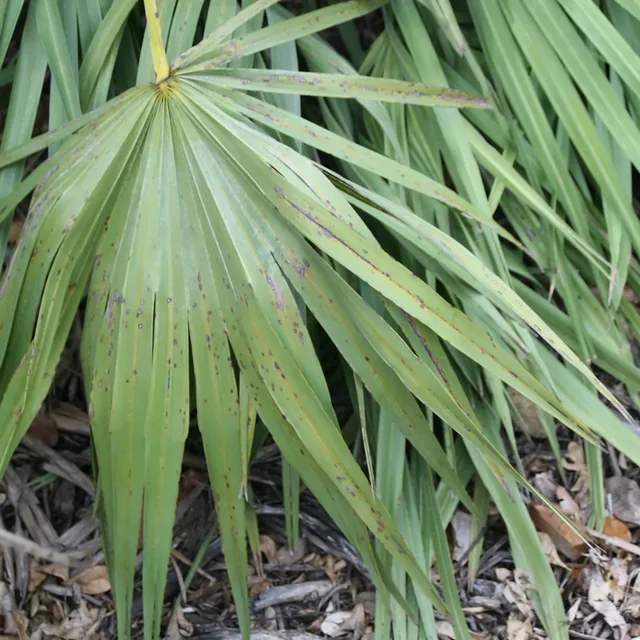
A daily supplement can sit alongside the habits above as extra support. One ingredient to look for is saw palmetto, backed by a 2026 systematic review of recent human studies on urinary symptoms.
Schwartzmann and colleagues published that review in Drugs in Context. They gathered 16 human studies from 2020 to 2025, with more than 3,000 participants. Saw palmetto was associated with improvements in urinary symptom scores in several trials, with a generally favourable safety record, mostly mild stomach complaints, and fewer sexual side effects than conventional drug options.5
A smaller trial adds an everyday detail. Kimura and colleagues gave 68 adults aged 50 and over, with no diagnosis of prostate enlargement or overactive bladder, either 320 mg of saw palmetto extract or a placebo every day for 12 weeks. The saw palmetto group was significantly less bothered by frequent daytime urination and made fewer daytime trips to the toilet.6
These are studies of the ingredient, not of any branded product. For how each prostate ingredient stacks up, see which prostate supplement ingredients have real clinical evidence behind them.
One formula built around that idea is ProtoFlow. It uses saw palmetto as the urinary component of a two-capsule daily blend for men over 40, alongside ginkgo, hawthorn, Panax ginseng and eight other ingredients. Every one of its twelve ingredients, plus vitamin E and vitamin B3, is printed with its amount, with no proprietary blend, and it comes with a 60-day money-back guarantee.
Our full ProtoFlow review goes through that label line by line, the evidence for each ingredient, the price per bottle and how the guarantee gives you time to judge it.

Is ProtoFlow worth a two-month trial?
Saw palmetto for urinary support, a fully printed label with no proprietary blend, two capsules a day and a 60-day money-back guarantee. We check every amount and the evidence behind it.
Read the full ProtoFlow review, label and evidenceTreat a supplement the way this guide treats the habits: taken daily, one change at a time, and judged on your own written scores inside the guarantee window. Our guide to how long prostate supplements take to work sets out a simple way to track it. Results vary, and if you take medication, show the label to your doctor or pharmacist first.
When is a weak stream a reason to see a doctor?
Right away if you cannot urinate at all, if urinating is painful, frequent and urgent with fever and chills, if there is blood in your urine, or if you are in great discomfort or pain. Those are the NIDDK's own signs for urgent care.1
Book a routine appointment for any new change that lasts a few weeks, a stream that keeps getting weaker, or a feeling that the bladder never quite empties. The NIDDK notes that over time the bladder muscles may weaken and stop emptying completely, which is called urinary retention.1 That is exactly the kind of change a doctor can pick up early.
A check-up is also how you confirm that a slower stream is the ordinary age-related change described at the top of this guide. Once you know that, you can get on with the habits and support that suit you.
Frequently asked questions
Is a weak urine stream normal after 50?
It is common. In a German study of 1,763 men aged 50 to 80, average peak flow fell from 22.1 to 13.7 mL per second from the youngest to the oldest age group, and the NIDDK estimates that prostate enlargement affects 29% to 33% of men aged 65 and over. Common still deserves one proper check-up when the change is new.
What causes a weak urine stream in men?
After 45 a common cause is the prostate slowly enlarging around the urethra, which is called benign prostatic hyperplasia. The NIDDK also lists bladder problems, urinary tract infections, prostatitis and prostate cancer as conditions that can cause similar symptoms, and over-the-counter cold and cough medicines such as decongestants or antihistamines are worth mentioning to your doctor.
Can daily habits improve a weak urine stream?
Habits can lower urinary symptoms. In a 2007 BMJ trial of 140 men with an average age of 63, a short self-management course of education and lifestyle advice brought the average IPSS to 10.7 at three months, against 16.4 with standard care alone. The NIDDK list covers fewer fluids before bed or going out, less alcohol and caffeine, staying active and emptying the bladder completely.
Does saw palmetto help with urinary symptoms?
A 2026 systematic review of 16 recent human studies with more than 3,000 participants found saw palmetto was associated with improvements in urinary symptom scores in several trials, with a generally favourable safety record. A 2025 placebo-controlled trial in adults aged 50 and over also found fewer daytime trips to the toilet after 12 weeks. These are studies of the ingredient, not of any one product.
When should I see a doctor about a weak urine stream?
Right away if you cannot urinate at all, if urinating is painful, frequent and urgent with fever and chills, if there is blood in your urine, or if you are in great discomfort or pain. Book a routine appointment for any new change that lasts a few weeks or a stream that keeps getting weaker.
Sources
- National Institute of Diabetes and Digestive and Kidney Diseases (NIH). Prostate Enlargement (Benign Prostatic Hyperplasia). BPH affects 5% to 6% of men aged 40 to 64 and 29% to 33% of men aged 65 and over; symptoms include a weak or interrupted urine stream and dribbling at the end of urination; bladder problems, urinary tract infections, prostatitis and prostate cancer can cause similar symptoms; lifestyle changes; signs that need care right away; urinary retention. niddk.nih.gov
- Berges R, Oelke M. Age-stratified normal values for prostate volume, PSA, maximum urinary flow rate, IPSS, and other LUTS/BPH indicators in the German male community-dwelling population aged 50 years or older. World Journal of Urology. 2011;29(2):171-8. 1,763 men aged 50 to 80 in Herne, Germany; mean prostate volume rose from 24 to 38 cc and mean maximum flow fell from 22.1 to 13.7 mL/s across the age groups, a decrease dependent on prostate size. pubmed.ncbi.nlm.nih.gov/21221974
- Paterson J, Pinnock CB, Marshall VR. Pelvic floor exercises as a treatment for post-micturition dribble. British Journal of Urology. 1997;79(6):892-7. 49 men aged 36 to 83 without surgery on the bladder, urethra or prostate, randomised to pelvic floor exercises, urethral milking or counselling for 12 weeks; adjusted mean improvement in urine loss of 4.7 g with exercises and 2.9 g with urethral milking, no improvement with counselling alone. pubmed.ncbi.nlm.nih.gov/9202555
- Brown CT, Yap T, Cromwell DA, et al. Self management for men with lower urinary tract symptoms: randomised controlled trial. BMJ. 2007;334(7583):25. 140 men, mean age 63; self-management plus standard care (73) or standard care alone (67); at three months mean IPSS 10.7 versus 16.4 and treatment failure 10% versus 42%; differences persisted at 6 and 12 months. pubmed.ncbi.nlm.nih.gov/17118949
- Schwartzmann I, Redondo A, Farré A, et al. Efficacy and safety of Serenoa repens in benign prostatic disorders: a systematic review of recent clinical evidence. Drugs in Context. 2026;15:2025-10-2. Sixteen human studies from January 2020 to May 2025, more than 3,000 participants; saw palmetto was associated with improvements in IPSS in several trials, with generally favourable safety, mostly mild gastrointestinal events and fewer sexual adverse effects than conventional pharmacotherapy. pubmed.ncbi.nlm.nih.gov/42157952
- Kimura M, Ishii I, Baba A, Takara T. Beneficial effects of saw palmetto (Serenoa repens) fruit extract on the urinary symptoms of healthy Japanese adults with possible lower urinary tract symptoms: a randomized, double-blind, placebo-controlled study. Nutrition and Health. 2025;31(3):965-977. 68 adults aged 50 and over without a diagnosis of benign prostatic hyperplasia or overactive bladder; 320 mg saw palmetto extract or placebo daily for 12 weeks; daytime urinary frequency and its bother score improved significantly versus placebo. pubmed.ncbi.nlm.nih.gov/39042923
- Barry MJ, Fowler FJ Jr, O'Leary MP, Bruskewitz RC, Holtgrewe HL, Mebust WK, Cockett AT. The American Urological Association symptom index for benign prostatic hyperplasia. Journal of Urology. 1992;148(5):1549-57. Seven questions covering incomplete emptying, frequency, intermittency, urgency, weak urinary stream, straining and nocturia, each scored 0 to 5. pubmed.ncbi.nlm.nih.gov/1279218
- Image credits. Cover photo by Mikhail Nilov, via Pexels. Saw palmetto (Serenoa repens) photo by David J. Stang, CC BY-SA 4.0, via Wikimedia Commons. Product image via the official ProtoFlow store. Diagrams by NutraRank.

About the author: Ray Delgado
I'm Ray Delgado. I hit my mid-forties, started paying attention to the health questions men my age actually ask, and went looking for straight answers. The clearest ones were sitting in the research, so I started reading the actual studies, and then writing this: plain-English breakdowns of what the research shows on prostate and men's health supplements, what the labels leave out, and what is worth paying for. No fear-mongering, no miracle cures.
Not medical advice. I am not a doctor, urologist or pharmacist. Updated 29 September 2026. This article contains links to our review pages, which carry affiliate links.
Affiliate disclosure: some links on this site are affiliate links. If you buy through one of our review pages we may earn a commission, at no additional cost to you. This does not affect what we write or which studies we cite. This article is general information, not medical advice, and it is not a diagnosis. Statements about dietary supplements have not been evaluated by the Food and Drug Administration, and supplements are not intended to diagnose, treat, cure or prevent any disease. Talk to a doctor before starting a supplement, especially if you take medication or have a health condition, and get any urinary or prostate symptom assessed in person.