Weight and metabolism · Ingredient guide
Which Metabolism Support Ingredients Have Real Clinical Evidence?
Seven ingredients you will find on almost every metabolism label, sorted by how much human data actually sits behind each one, with the trial, the journal, the year and the number that was measured.
Four have randomised human trials measuring body composition: berberine, green tea catechins, cinnamon and alpha-lipoic acid. Chromium and zinc carry authorised nutrient claims rather than weight data. Banaba sits on smaller human work. The effects are modest and were read at twelve weeks, not in days.
Before you read on
I am not a nutritionist, dietitian or doctor. I write from published research. Talk to your own doctor or a registered dietitian before you start a supplement, especially if you take medication or have a health condition.
Some links on this page are affiliate links to our own review pages. If you buy through one of them we may earn a commission, at no extra cost to you. It does not change the studies I cite or the numbers I quote from them.
What counts as real evidence for an ingredient like this?
A randomised, placebo-controlled human trial, or a meta-analysis of several, that measured something on a body rather than in a petri dish. Everything else is a lead, not a result.
Almost every ingredient on this shelf has a cell study or a rodent study behind it. Those are how research starts, and they are worth nothing to you as a buyer. The bar that matters is whether somebody gave the ingredient to real people, gave a matched group a dummy capsule, and then measured a difference.
Sorted that way, the ingredients in these formulas fall into three tiers. Tier one has randomised human trials that measured body composition. Tier two has authorised nutrient claims, which is a regulatory statement about the nutrient's normal role in the body rather than a weight result. Tier three has human data, but on other endpoints or in smaller studies.
None of that means tier three ingredients are filler. It means the honest reason to want them is different, and a label that pretends otherwise is doing you no favours.

What does the research on berberine actually show?
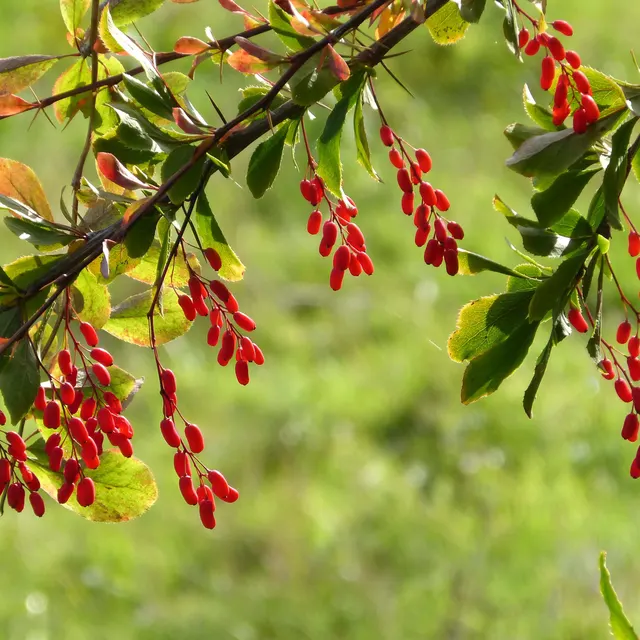
Tier one, and the most studied ingredient in the category. Three meta-analyses of randomised trials, two from 2020 and a larger one from 2026 covering 23 trials, found measurable reductions in body mass index and waist circumference, and two of them also found a significant body weight reduction, 2.07 kg and 0.88 kg.
Asbaghi and colleagues, writing in Clinical Nutrition ESPEN, pooled 12 randomised controlled trials. Berberine "moderately but significantly" decreased body weight by a weighted mean of 2.07 kg, body mass index by 0.47 kg/m2, waist circumference by 1.08 cm, and C-reactive protein, a general marker of inflammation, by 0.42 mg/L.1
Xiong and colleagues ran a separate dose-response meta-analysis in Complementary Therapies in Clinical Practice the same year, covering 10 studies. They found a significant effect on body mass index, at 0.29 kg/m2, and on waist circumference, at 2.75 cm, and reported that both improved further with longer treatment duration.2
The newest and largest pooled analysis arrived in 2026. Elahi Vahed and colleagues, writing in the International Journal of Obesity, combined 23 randomised controlled trials in adults and found berberine significantly reduced body weight, by a mean of 0.88 kg, body mass index, by 0.48 kg/m2, and waist circumference. The authors report that their meta-regression found no association between berberine use and age.10
Two things stand out. The waist result shows up in all three, which is why waist is the number worth tracking rather than the scale. And the effect grew with duration, which tells you exactly how long to give it.
Mechanically, berberine is studied as an activator of AMP-activated protein kinase, the enzyme Herzig and Shaw describe as the system cells use to sense low energy and switch from building to burning.3 That is a plausible route rather than a proven chain of events in a capsule, and it is worth saying so.
One practical note, and it is a point in berberine's favour rather than against it: it is active enough to interact with things. If you take prescription medication, particularly metformin, a statin or ciclosporin, show the label to a pharmacist before you start. Two minutes, and then you are done thinking about it.
Does green tea extract do anything measurable?
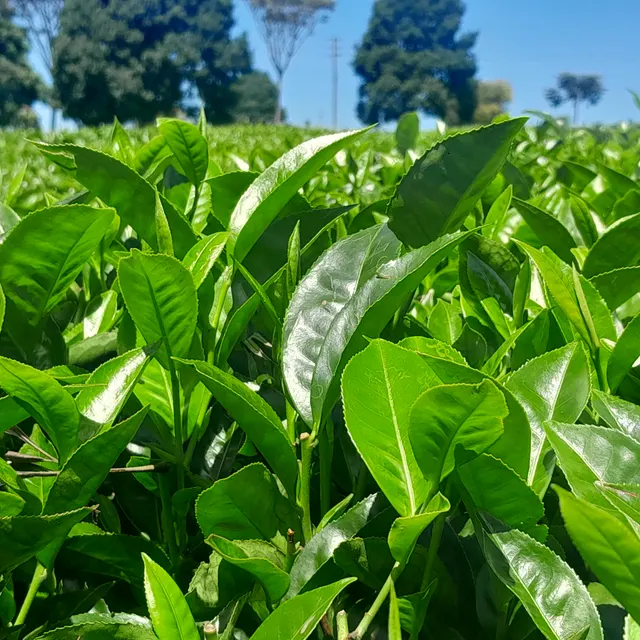
Tier one, and it is the ingredient with the cleanest mechanism evidence, because somebody measured it in a sealed chamber.
Dulloo and colleagues put ten healthy men in a respiratory chamber and measured 24-hour energy expenditure across three conditions: green tea extract, plain caffeine at a matched dose, and placebo. Green tea extract raised 24-hour energy expenditure by 4 percent against placebo and shifted the respiratory quotient from 0.88 to 0.85, which means more of the fuel burned was fat. The caffeine-only arm did neither.4
That last detail is the whole point. Whatever green tea extract is doing, it is not simply being coffee.
On outcomes, Hursel, Viechtbauer and Westerterp-Plantenga pooled 11 studies in the International Journal of Obesity and found catechins significantly decreased body weight and helped maintain it after a period of loss, with a mean difference of 1.31 kg.5 They also found the effect looked smaller in people with a high habitual caffeine intake, above 300 mg a day, which is worth knowing if you are a four-coffee person.
Is there trial data on cinnamon?
Tier one, with a dose and a duration attached, which is unusually specific for this shelf.
Mousavi and colleagues published a dose-response meta-analysis in Clinical Nutrition covering 12 trials and 786 people. Cinnamon significantly decreased body weight by 1.02 kg, body mass index by 0.51 kg/m2, waist circumference by 2.40 cm and fat mass by 1.02 percent. The authors add the condition that matters: fat mass fell significantly "at the dosages of 2 g/d or more, when administered for 12 weeks or more".6
Read that dose as a design note. At two grams a day, in a multi-ingredient blend it appears as one contributor to a wider effect rather than the engine on its own. That is a normal way to build a formula, and it is the reason the next section of this guide exists.
Why are chromium and zinc in these formulas?
Tier two. They are not there as fat burners. They are there because they are the only two ingredients in the category with claims a regulator has actually authorised.
Under Commission Regulation (EU) No 432/2012, which sets the list of permitted health claims for foods in the European Union and the United Kingdom, two wordings apply here and they are the only two anybody may legally use:
- "Chromium contributes to the maintenance of normal blood glucose levels."7
- "Zinc contributes to normal carbohydrate metabolism."7
Both of those describe a nutrient's normal role in a normally functioning body. Neither is a claim about losing weight, and neither belongs to a finished product. They belong to the nutrient.
That is still worth something to you. An authorised claim means a European regulator reviewed the underlying science and accepted the relationship, which is a higher bar than any botanical on this list has cleared. A formula that puts chromium and zinc on the label with the actual milligram and microgram amounts printed is telling you something checkable, which is more than a proprietary blend does.
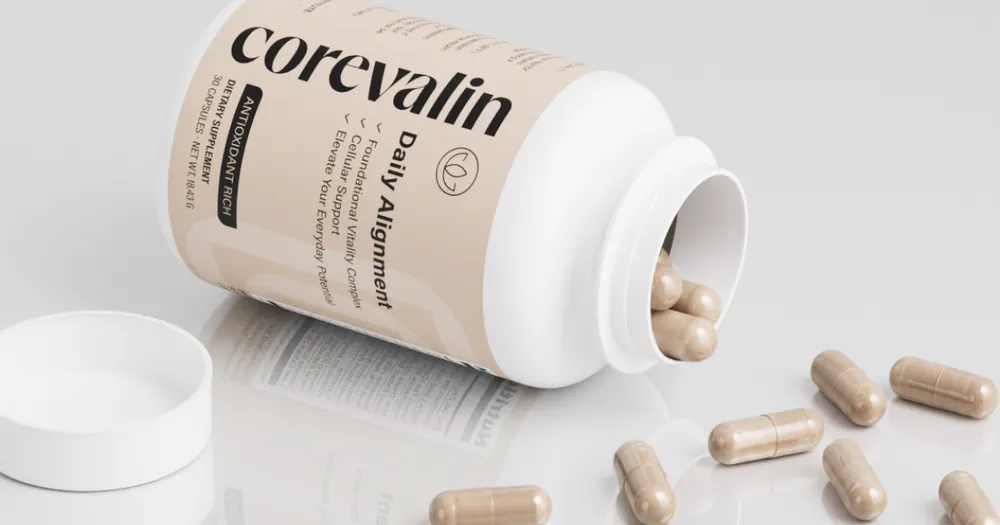
The formula built around those two minerals
Corevalin prints 5.5 mg of zinc and 100 micrograms of chromium on the label, the two authorised-claim nutrients, with a roughly 510 mg botanical blend around them led by berberine, banaba and alpha-lipoic acid. One capsule each morning, aimed at adults over 40.
Read the full Corevalin review, label and dosesWhat about alpha-lipoic acid and banaba?
Alpha-lipoic acid sits in tier one with a small but real result. Banaba sits in tier three, on human work measured against endpoints other than body composition.
Kucukgoncu and colleagues, publishing in Obesity Reviews, pooled 10 randomised, double-blind, placebo-controlled studies. Alpha-lipoic acid produced 1.27 kg more mean weight loss than placebo, and a body mass index difference of 0.43 kg/m2. Their own summary is fair and worth repeating: "small, yet significant short-term weight loss compared with placebo".8
Banaba, usually standardised for corosolic acid, has been through human studies, but the endpoints in that literature are not body composition, so I will not stretch them into a weight claim they do not support. In a blend it is there as a traditional plant active alongside the ones carrying the measured numbers. Plan for it on that basis and you will not be disappointed by it.
Does apple cider vinegar have human data?
More than its reputation as a kitchen remedy suggests. One twelve-week randomised trial in 175 people, with a dose response.
Kondo and colleagues, in Bioscience, Biotechnology, and Biochemistry, randomised obese Japanese adults into three matched groups for 12 weeks. Each drank 500 ml a day of a beverage containing 15 ml of vinegar, 30 ml of vinegar, or none. Body weight, body mass index, visceral fat area and waist circumference were all significantly lower in both vinegar groups than in the placebo group.9
Note the format. The trial used liquid vinegar. Capsule formulas list it as a supporting ingredient, so the trial is the reason it is studied, not a measured capsule result. Plan for it on that basis, as part of the team rather than the headline.
How do the two blends we reviewed line up against this?
Both are built on the tier one ingredients, with the tier two and tier three ones filling out the picture. Here is the sorted version.
| Ingredient | Best human evidence | What was measured | Tier |
|---|---|---|---|
| Berberine | Three meta-analyses, 2020 to 2026, of 12, 10 and 23 randomised trials1210 | Body weight -0.88 to -2.07 kg, BMI, waist -1.08 to -2.75 cm, CRP | One |
| Green tea catechins | Respiratory chamber trial plus a meta-analysis of 11 studies45 | 24-hour energy expenditure +4%, body weight -1.31 kg | One |
| Cinnamon | Meta-analysis, 12 trials, 786 people6 | Body weight -1.02 kg, waist -2.40 cm, fat mass -1.02% | One |
| Alpha-lipoic acid | Meta-analysis, 10 randomised double-blind trials8 | Weight difference 1.27 kg versus placebo | One |
| Apple cider vinegar | One 12-week randomised trial, 175 people9 | Body weight, BMI, visceral fat area, waist all lower than placebo | One, at liquid doses |
| Chromium | Authorised EU and UK health claim7 | Contributes to the maintenance of normal blood glucose levels | Two |
| Zinc | Authorised EU and UK health claim7 | Contributes to normal carbohydrate metabolism | Two |
| Banaba, ginseng, milk thistle, resveratrol, cayenne, ginger | Human studies on other endpoints | Supporting cast in a blend | Three |
Look down the tier one column and one thing is obvious: no single ingredient carried a big number. Berberine moved the waist, green tea moved 24-hour expenditure, cinnamon moved fat mass at a real dose, alpha-lipoic acid moved the scale a little. Different levers, all modest, all measured over about twelve weeks.
That is the design case for a daily blend, and it is the honest one. A broad formula touches several of those routes at once in a single capsule you will still be taking in week twelve, which matters, because adherence is what actually decides whether a twelve-week trial happens in your life at all.
The trade is that a blend does not print the individual amounts, so you cannot line each ingredient up against its study dose. Plan for that by treating a first bottle as a test run and buying through the official store, where the money-back terms apply.
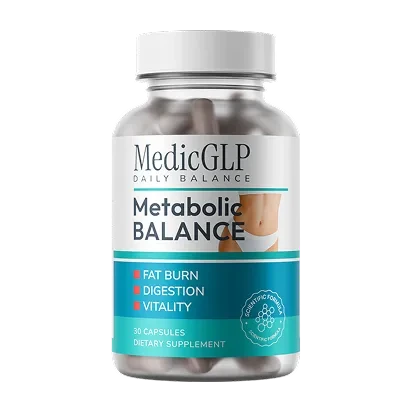
The nine-active blend led by berberine and green tea
MedicGLP puts berberine, green tea extract, cinnamon, apple cider vinegar, Korean ginseng, cayenne, ginger, bitter orange and resveratrol into one daily capsule. Our review goes through the full list, what the label prints, what it leaves out, the refund window and the score.
Read the full MedicGLP reviewFor the wider picture of what these ingredients are being added to, start with the pillar guide: why metabolism slows down after 40 and what actually helps. For the timeline, see how long metabolism support supplements take to work.
Frequently asked questions
Which metabolism ingredient has the strongest human evidence?
Berberine, on volume of evidence. Three meta-analyses of randomised controlled trials, two from 2020 covering 12 and 10 studies and one from 2026 covering 23, found significant reductions in body mass index and waist circumference, and two of them also found a significant body weight reduction, 2.07 kg and 0.88 kg. Green tea catechins have the cleanest mechanism data, with a measured 4 percent rise in 24-hour energy expenditure in a respiratory chamber.
Do chromium and zinc help you lose weight?
That is not what they are there for. Under EU Regulation 432/2012, chromium contributes to the maintenance of normal blood glucose levels and zinc contributes to normal carbohydrate metabolism. Those are authorised statements about a nutrient's normal role in the body, not weight-loss claims, and they belong to the nutrient rather than to any finished product.
How much cinnamon do the studies use?
The dose-response meta-analysis in Clinical Nutrition found fat mass fell significantly at doses of 2 g a day or more, given for 12 weeks or more, across 12 trials and 786 people. Pooled across all doses, cinnamon reduced body weight by 1.02 kg and waist circumference by 2.40 cm. Two grams is more than a single capsule in a blend holds, so in a formula cinnamon is one contributor among several.
Is it better to take one ingredient or a blend?
A blend is a reasonable choice if you want a single daily capsule. No individual ingredient in this category produced a large effect on its own: berberine moved the waist, green tea moved 24-hour energy use, cinnamon moved fat mass and alpha-lipoic acid moved the scale a little. A blend touches several of those measured routes at once in one capsule a day, which is far easier to keep doing for the twelve weeks the research needed, and that consistency is what decides whether the twelve weeks happen at all.
Does apple cider vinegar in a capsule work like drinking it?
It plays a different role. The 12-week trial in 175 people that produced the measured results used 15 ml or 30 ml of liquid vinegar a day. The trial used liquid vinegar. Capsule formulas list it as a supporting ingredient, so the trial is the reason it is studied, not a measured capsule result.
Sources
- Asbaghi O, Ghanbari N, Shekari M, et al. The effect of berberine supplementation on obesity parameters, inflammation and liver function enzymes: a systematic review and meta-analysis of randomized controlled trials. Clinical Nutrition ESPEN. 2020 Aug;38:43-49. 12 studies; body weight -2.07 kg, BMI -0.47 kg/m2, waist circumference -1.08 cm, CRP -0.42 mg/L. pubmed.ncbi.nlm.nih.gov/32690176
- Xiong P, Niu L, Talaei S, et al. The effect of berberine supplementation on obesity indices: a dose-response meta-analysis and systematic review of randomized controlled trials. Complementary Therapies in Clinical Practice. 2020 May;39:101113. 10 studies; BMI -0.29 kg/m2, waist circumference -2.75 cm; both improved with longer treatment duration. pubmed.ncbi.nlm.nih.gov/32379652
- Herzig S, Shaw RJ. AMPK: guardian of metabolism and mitochondrial homeostasis. Nature Reviews Molecular Cell Biology. 2018 Feb;19(2):121-135. Describes AMPK as the system by which cells sense low ATP and switch from anabolism to catabolism. pubmed.ncbi.nlm.nih.gov/28974774
- Dulloo AG, Duret C, Rohrer D, et al. Efficacy of a green tea extract rich in catechin polyphenols and caffeine in increasing 24-h energy expenditure and fat oxidation in humans. American Journal of Clinical Nutrition. 1999 Dec;70(6):1040-5. 10 healthy men, respiratory chamber; 24-hour energy expenditure +4 percent, respiratory quotient 0.88 to 0.85; matched caffeine alone produced neither effect. pubmed.ncbi.nlm.nih.gov/10584049
- Hursel R, Viechtbauer W, Westerterp-Plantenga MS. The effects of green tea on weight loss and weight maintenance: a meta-analysis. International Journal of Obesity (London). 2009 Sep;33(9):956-61. 11 studies; catechins significantly decreased and maintained body weight, mean difference -1.31 kg; effect appeared smaller at habitual caffeine intake above 300 mg per day. pubmed.ncbi.nlm.nih.gov/19597519
- Mousavi SM, Rahmani J, Kord-Varkaneh H, et al. Cinnamon supplementation positively affects obesity: a systematic review and dose-response meta-analysis of randomized controlled trials. Clinical Nutrition. 2020 Jan;39(1):123-133. 12 trials, 786 subjects; body weight -1.02 kg, BMI -0.51 kg/m2, waist circumference -2.40 cm, fat mass -1.02 percent; fat mass reduced at doses of 2 g/day or more for 12 weeks or more. pubmed.ncbi.nlm.nih.gov/30799194
- Commission Regulation (EU) No 432/2012 establishing a list of permitted health claims made on foods, other than those referring to the reduction of disease risk and to children's development and health. Annex: "Chromium contributes to the maintenance of normal blood glucose levels" and "Zinc contributes to normal carbohydrate metabolism". eur-lex.europa.eu
- Kucukgoncu S, Zhou E, Lucas KB, Tek C. Alpha-lipoic acid (ALA) as a supplementation for weight loss: results from a meta-analysis of randomized controlled trials. Obesity Reviews. 2017 May;18(5):594-601. 10 randomised double-blind placebo-controlled studies; 1.27 kg greater mean weight loss than placebo; BMI difference -0.43 kg/m2. pubmed.ncbi.nlm.nih.gov/28295905
- Kondo T, Kishi M, Fushimi T, Ugajin S, Kaga T. Vinegar intake reduces body weight, body fat mass, and serum triglyceride levels in obese Japanese subjects. Bioscience, Biotechnology, and Biochemistry. 2009 Aug;73(8):1837-43. 12-week double-blind trial; 500 ml daily of a beverage containing 15 ml or 30 ml of vinegar, or none; body weight, BMI, visceral fat area and waist circumference significantly lower in both vinegar groups. pubmed.ncbi.nlm.nih.gov/19661687
- Elahi Vahed I, Shahir-Roudi E, Nojumi S, et al. The effect of berberine on obesity indices: a systematic review and meta-analysis. International Journal of Obesity. 2026;50(1):53-73. 23 randomised controlled trials in adults; body weight -0.88 kg, BMI -0.48 kg/m2 and waist circumference significantly reduced; waist-to-hip ratio not significantly changed; meta-regression found no association between berberine use and age. pubmed.ncbi.nlm.nih.gov/41310257
Image credits. Green tea (Camellia sinensis) photo by VickyOmondi, CC0. Cinnamon bark photo by VASANTH S.N., CC BY-SA 3.0. Barberry (Berberis vulgaris) photo by gailhampshire, CC BY 2.0. All via Wikimedia Commons.

About the author: Diane Marsh
I'm Diane Marsh. Somewhere in my forties I stopped chasing quick fixes and started changing one habit at a time, paying close attention to what actually made a difference. I write the weight and metabolism guides here: what the research really says, what supplement labels leave out, and what is worth your money. No before-and-after miracles.
Not a professional qualification. I am not a nutritionist, dietitian or doctor, and nothing here is medical or dietary advice. Updated 24 September 2026. This article links to our review pages, which carry affiliate links.
Affiliate disclosure: some links on this site are affiliate links. If you buy through one of our review pages we may earn a commission, at no additional cost to you. This does not affect what we write or which studies we cite. This article is general information, not medical or dietary advice, and it is not a diagnosis. Statements about dietary supplements have not been evaluated by the Food and Drug Administration, and supplements are not intended to diagnose, treat, cure or prevent any disease. Talk to a doctor or a registered dietitian before starting a supplement, especially if you take medication or have a health condition.